

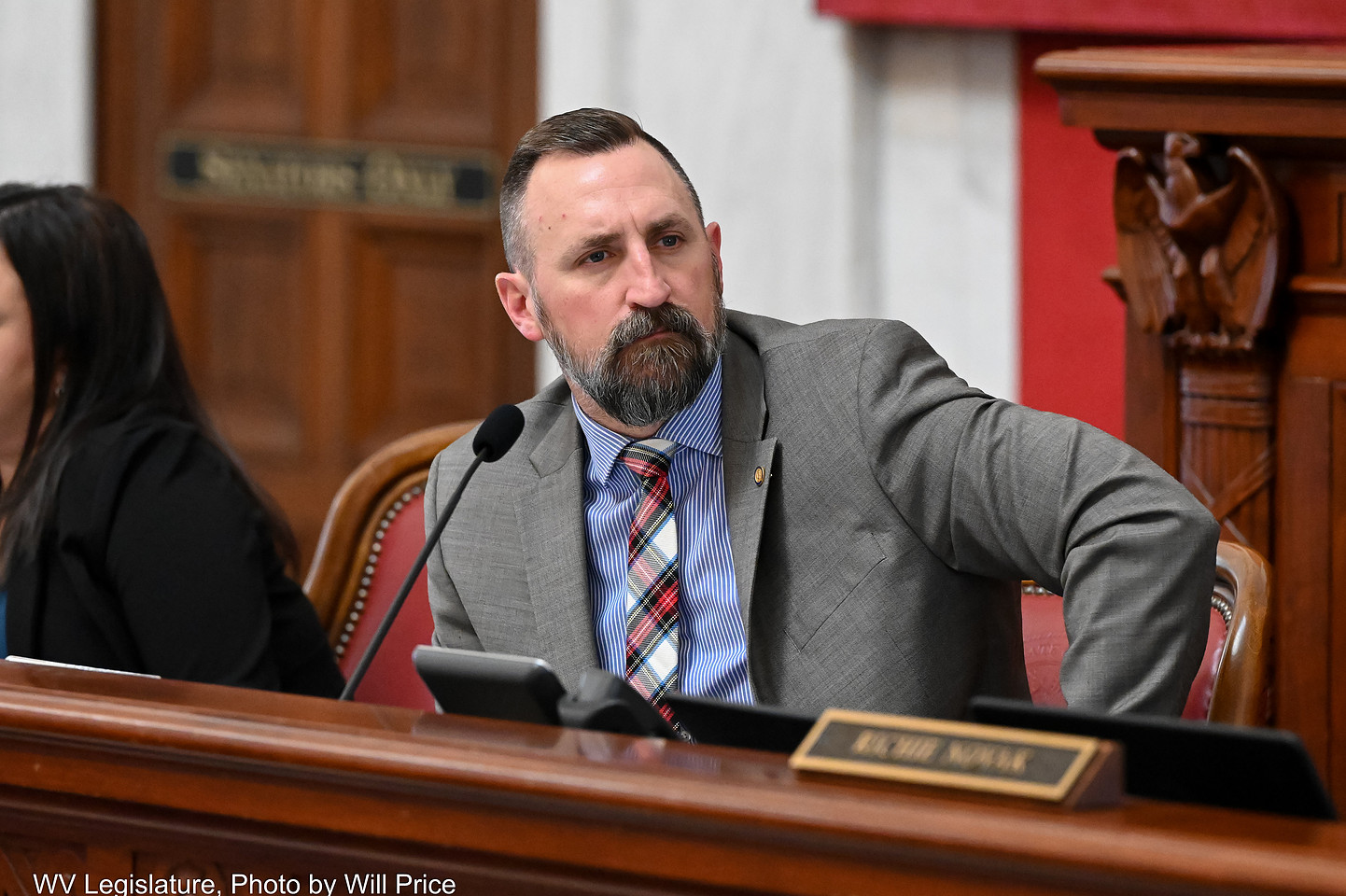
The Joint Committee on Health met this afternoon.
First, the committee heard about hospital transparency, facility fees, and rates. U.S. health care spending is $4.9 trillion, or about $14,570 per person. The cost is due to high service prices, not high utilization. Commercial insurance has seen the largest increase in cost. Health system concentration, hospitals acquiring physician offices, is linked to increased prices.
The federal government requires price transparency for standard charges for items and services, such as gross charges, discounted rates, payer-specific rates, and de-identified minimum and maximum negotiated charges. Additionally, shoppable services should be available in plain language descriptions for health care consumers.
States have also implemented transparency measures, including enforcing federal requirements and requiring additional documentation from health care entities. States have also required transparency measures for facility fees, including patient disclosure, signage requirements, and limiting or banning facility fees for certain services. Other states have required transparency for consolidation and competition. Right-to-shop programs provide consumers with transparency.
The committee received an update on the West Virginia Center for Laboratory Sciences. Completion is expected in August 2028.
The committee heard about “Food is Medicine” in West Virginia. FARMacyWV presented on its program, which provides nutrition education and food prescriptions to help prevent, manage, and treat chronic disease. Poverty and food insecurity are linked to chronic diseases. Of the $4.9 trillion in U.S. health care costs, 90 percent is spent on chronic disease. West Virginia has a higher mortality rate than the national average, and 44 of the 55 counties have food deserts.
FARMacyWV provides $25 of fresh produce to patients in the program for 9 weeks. Additionally, they provide basic nutrition education and culinary skills. There is a patient-provider relationship with an actual prescription provided. Lab work is done to test various data on chronic diseases. FARMacy is funded through grants and has seen success through reductions in HbA1c, health care savings, lower cholesterol, weight loss, and patients feeling better overall, with a better understanding of their diseases and the food they consume.
West Virginia Food Is Medicine Coalition is working to increase visibility of the programs and highlight participant stories. The coalition has several partners, including FamilyCare health centers, WVU Medicine, WVU Extension, FARMacy, Facing Hunger Foodbank, Mountaineer Foodbank, and others.
When the coalition began, it was discovered that there were several Food Is Medicine sites throughout the state, with every county having at least one site from various organizations. Most of the produce comes from local farmers. The farmers have gained income from collaborating with Food Is Medicine.
Food Is Medicine aligns with national and state priorities. Policy changes are needed to continue Food Is Medicine programs. Two pathways are managed care contracts and managed care flexibilities. Legislative help could be used to create pilot programs in targeted regions for specific populations, or to establish a workgroup with Food Is Medicine.
