

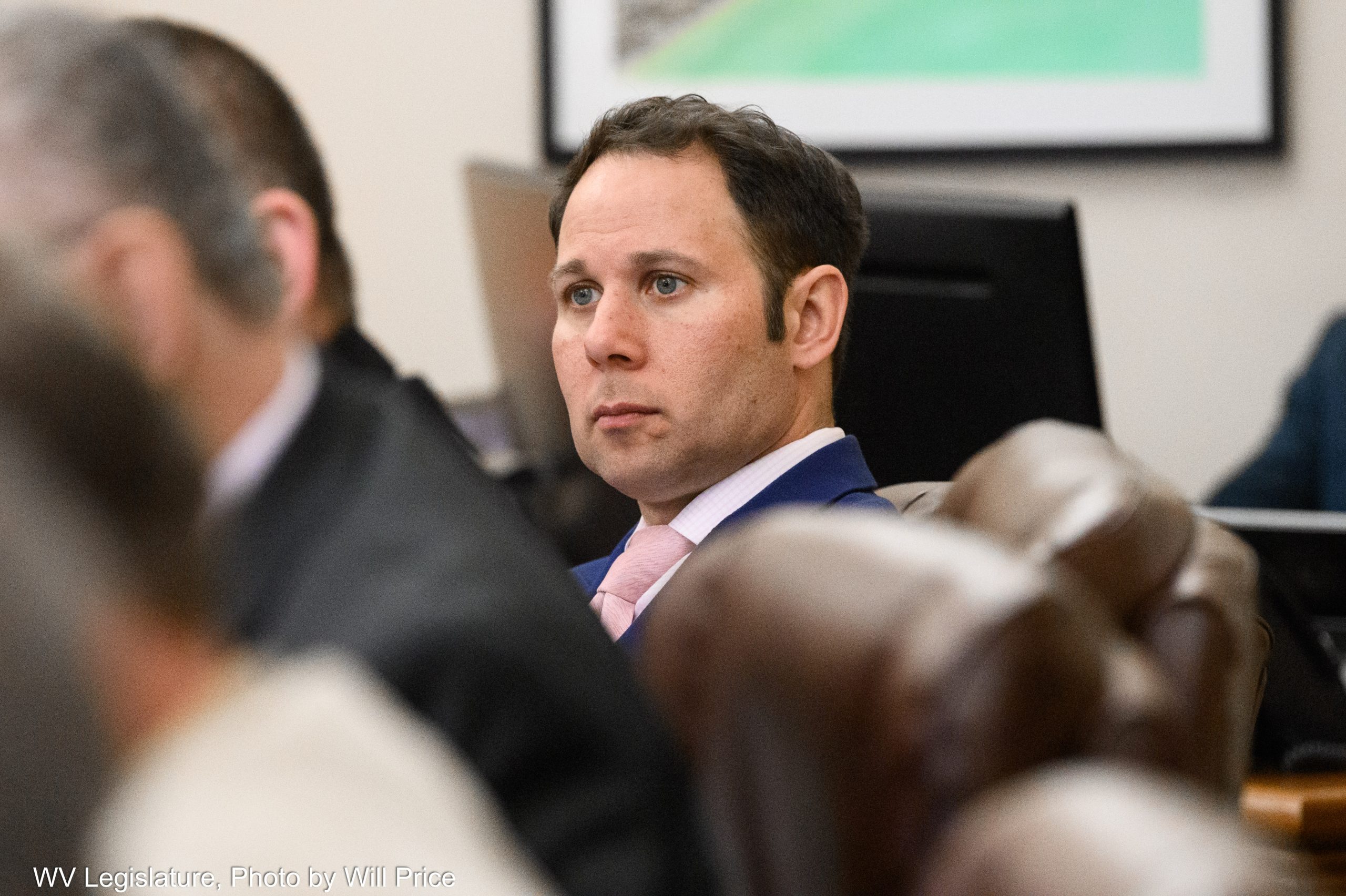
Senate Health and Human Resources met this afternoon to discuss Senate Bills 446, 436, and 228; These bills were advanced to the full Senate.
Senate Bill 446 would include postpartum depression, anxiety, psychosis, and obsessive-compulsive disorders in the eligibility for public health outreach programs. These programs provide information for understanding these diagnoses and raising awareness. Under this bill, outreach programs will provide the information without clinical terms and focus on relevance and health literacy.
Jenny Entsminger, executive director for the West Virginia Pregnancy Center Coalition, spoke in favor of this bill. Entsminger said these mental health conditions are more common in pregnant women and new mothers, but with the use of services in public health outreach programs, early warning signs can be identified, and women can be connected with the necessary medical care.
Senate Bill 436 would require the Department of Human Services to develop a statewide prevention plan that provides services to children under the age of 18 and their families. Under this bill, anyone who is deemed at risk will be offered these services, including but not limited to children who have a CPS safety plan, pregnant and parenting youth, children who have been adopted, and more.
In discussion of Senate Bill 436, Lorie Bragg, commissioner of the Bureau for Social Services, said this statewide plan would not affect the current mission of the DHS. Bragg said they would not have any problem in reporting exactly what the organization is doing.
Senate Bill 228 would make the Department of Human Services provide child welfare workers with mobile technology that will permit them to conduct investigations and create a digital record. This bill plans to increase efficiency within child welfare cases.
