

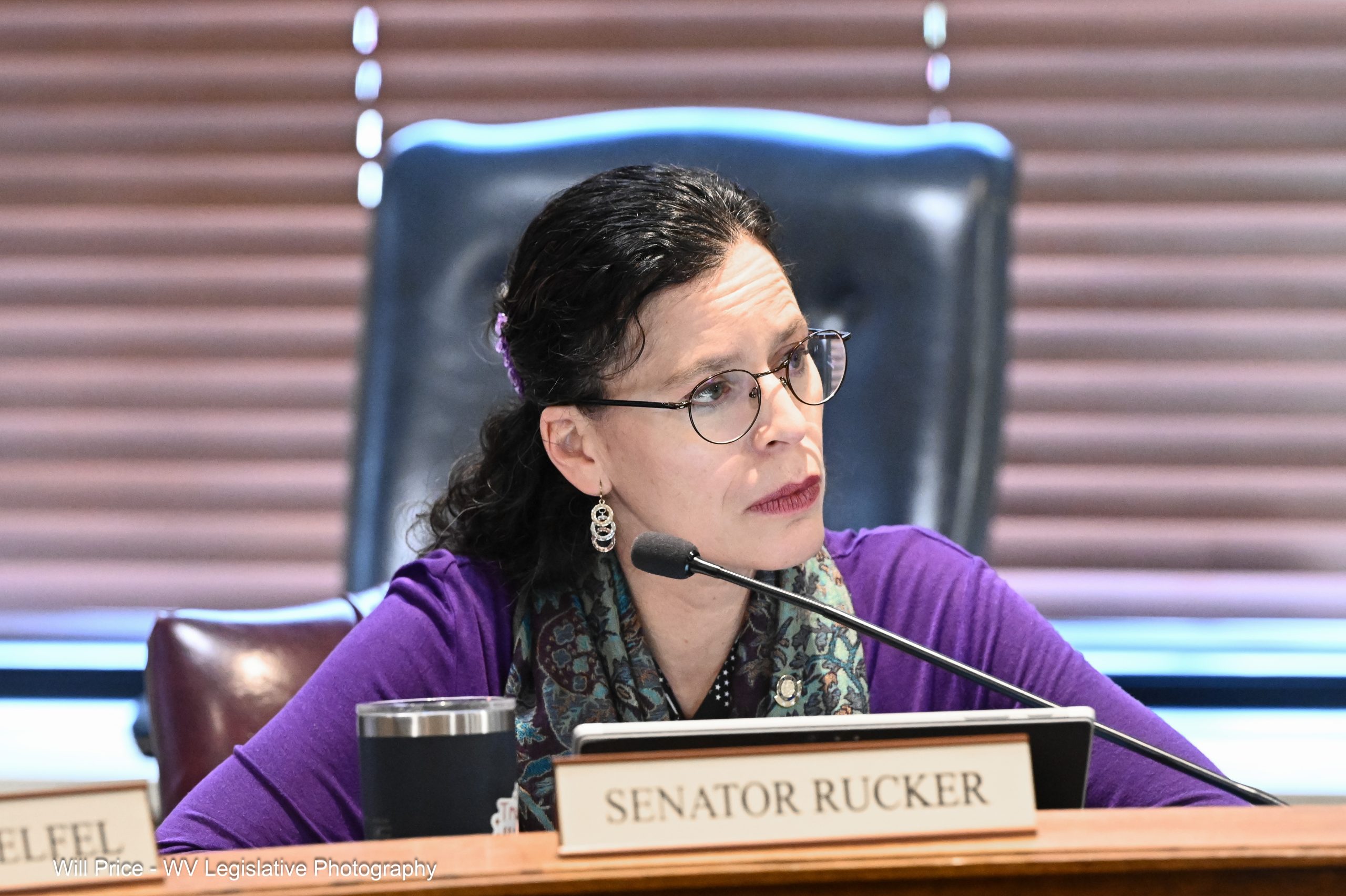
The Senate School Choice Select Committee met this afternoon and advanced three bills on private schools, charter school boards, and career technical education programs.
Senate Bill 216 would implement the Restoring Private Schools Act of 2026.
This bill would exempt private schools from certain obligations imposed by current West Virginia State law and grant them the freedom to determine their own standards.
These are some of the key guidelines that would no longer be a requirement for private, parochial, or church schools:
- Observe a minimum instructional term of 900 hours per school year.
- Maintain accurate annual attendance and disease immunization records for each student enrolled and regularly attending classes.
- Provide a list of names and addresses of all students enrolled between the ages of seven and 16 to the county board.
- Child attendance must comply with the compulsory school attendance requirements.
- National standardized achievement tests must be administered to students at the same grade levels and subject areas as required in public schools.
- Require special education students or students with learning disabilities to be assessed by one of the following methods: standardized group achievement test, standardized individualized achievement test, written narrative of an evaluation of a portfolio of samples of a child’s work, etc.
Senator Charles H. Clements (R – Wetzel, 02) proposed a conceptual amendment that would return language in the bill requiring private, parochial, or church schools to have standardized testing or one that is nationally recognized to evaluate students, as public schools do.
The amendment was rejected.
Senator Michael A. Woelfel (D – Cabell, 05) also proposed a conceptual amendment that would return language in the bill that would continue the requirement for disease immunization records in private parochial, or church schools.
The amendment was rejected.
Following the rejection of both amendments, the bill was sent to the full Senate as is, with the recommendation of passage.
The body then discussed Senate Bill 536, which would revise the requirements for serving as an appointed voting member of the Professional Charter School Board and revise eligibility for the appointment of members.
The bill intends to require Charter School Board members to be appointed as lay members of institutional boards of governors if they meet the qualifications.
The bill was sent to the full Senate with the recommendation of passage.
Following, the committee briefly addressed Senate Bill 170, relating to career technical education programs, and sent it to the full Senate without recommendation of passage, after first reporting it to the committee on finance.
