

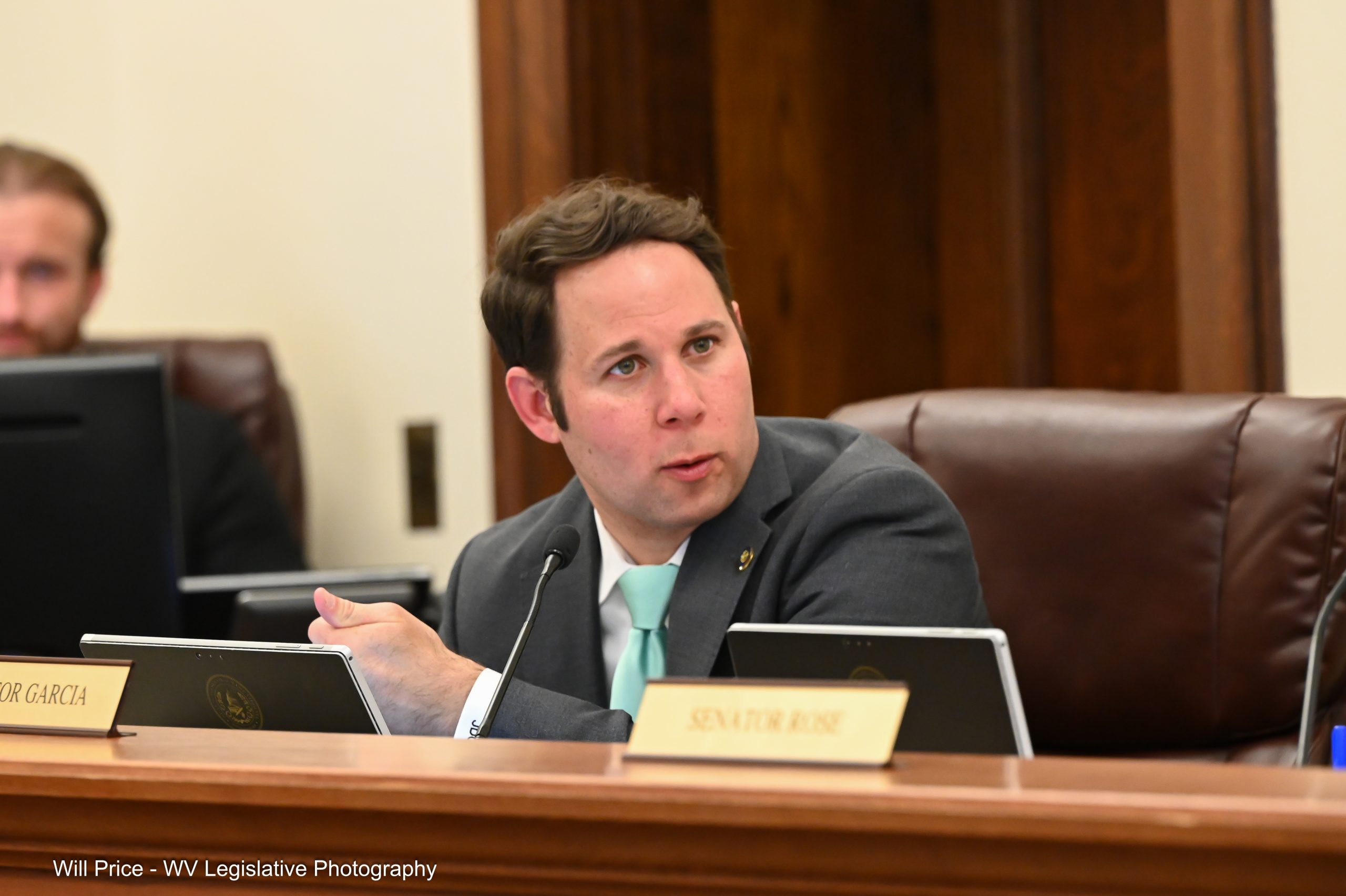
Senate Health and Human Resources met Thursday afternoon and advanced eight bills regarding the Food is Medicine Program, involuntary hospitalization, family caregivers and more.
House Bill 4982 would establish the Make West Virginia Healthy Act of 2026.
This bill would authorize the use of nutrition-based interventions, such as the Food is Medicine Program.
The Food is Medicine Program incorporates basic nutrition and culinary skills education, patient-provider relationships, health metric collection, and locally grown produce to improve patients’ overall well-being.
The Bureau for Medical Services would also design programs to improve health outcomes for Medicaid members with nutrition-related chronic diseases through nutrition supports and reduce the need for higher-cost medical care.
The bill was reported to the full Senate with a recommendation of passage.
Senate Bill 742 would authorize physicians to determine the involuntary hospitalization of a patient or individual at a hospital emergency department in need of treatment.
This bill would strike language stating that a mental hygiene commissioner, magistrate, or circuit judge would have to determine if an involuntary hospitalization of a patient is necessary, and give full authority to the staff physicians present at the hospital.
The bill was reported to the full Senate with a recommendation of passage, first being sent to the committee on Judiciary.
Senate Bill 741 would expand the pilot program to implement the involuntary commitment process.
West Virginia’s pilot program for involuntary commitment is a trial project intended to make the process safer and more effective. Selected counties test new procedures such as trained alternative transport to hospitals, quick mental health evaluations, and audits to ensure commitments are justified.
This bill would expand the pilot program by adding the counties of Hampshire, Morgan, Ohio, and Wood to implement an involuntary commitment process.
The bill was reported to the full Senate with a recommendation of passage, first being sent to the committee on Finance.
Senate Bill 650 would establish a psychiatric hospital that treats exclusively civil and forensic patients committed from the state or from state hospitals.
The hospital would require an average annual inpatient census patient mix greater than 95 percent of court-ordered forensic and civil involuntary commitments from state custody.
The bill was reported to the full Senate with a recommendation of passage, first being sent to the committee on Finance.
Senate Bill 766 would establish the Creating Caregiver Tax Credit Act.
The West Virginia State Department of Revenue would publish that a tax credit shall be reduced on the first day of the effective year, and the total amount of credits used to offset the tax does not exceed $5 million annually per year.
This bill is intended to support family caregivers financially, such as helping finance durable medical equipment that is necessary to assist an eligible family member in carrying out one or more activities of daily living.
The bill was reported to the full Senate with a recommendation of passage, first being sent to the committee on Finance.
Senate Bill 114 would establish the Paid Parental Leave Pilot Program.
This bill would allow an employee to receive 12 weeks of paid leave during any 12-month period to care for and bond with his or her child during the first 12 months after the child’s birth.
This program is intended to promote working families’ physical and mental health, increase employee retention, and improve employee productivity and morale following the birth or adoption of a child.
Following a discussion, the bill was reported to a newly formed subcommittee where Senator Joey Gracia (D – Marion, 13) would be the chair, and the bill would be taken for further consideration.
Senate Bill 130 would establish a state-wide directory of e-cigarette products and e-cigarette liquids and strengthen regulations on their distribution and sale.
Manufacturers would be required to receive market authorization from the U.S. Food and Drug Administration before their products can be listed and sold.
The bill was reported to the full Senate with a recommendation of passage, first being sent to the committee on Finance.
Senate Bill 398 would remove the existing requirement that certain state public health officials be employed on a full-time basis.
This bill is intended to provide more flexibility in hiring and retaining qualified individuals in key public health leadership roles.
The bill was reported to the full Senate with a recommendation of passage.
