

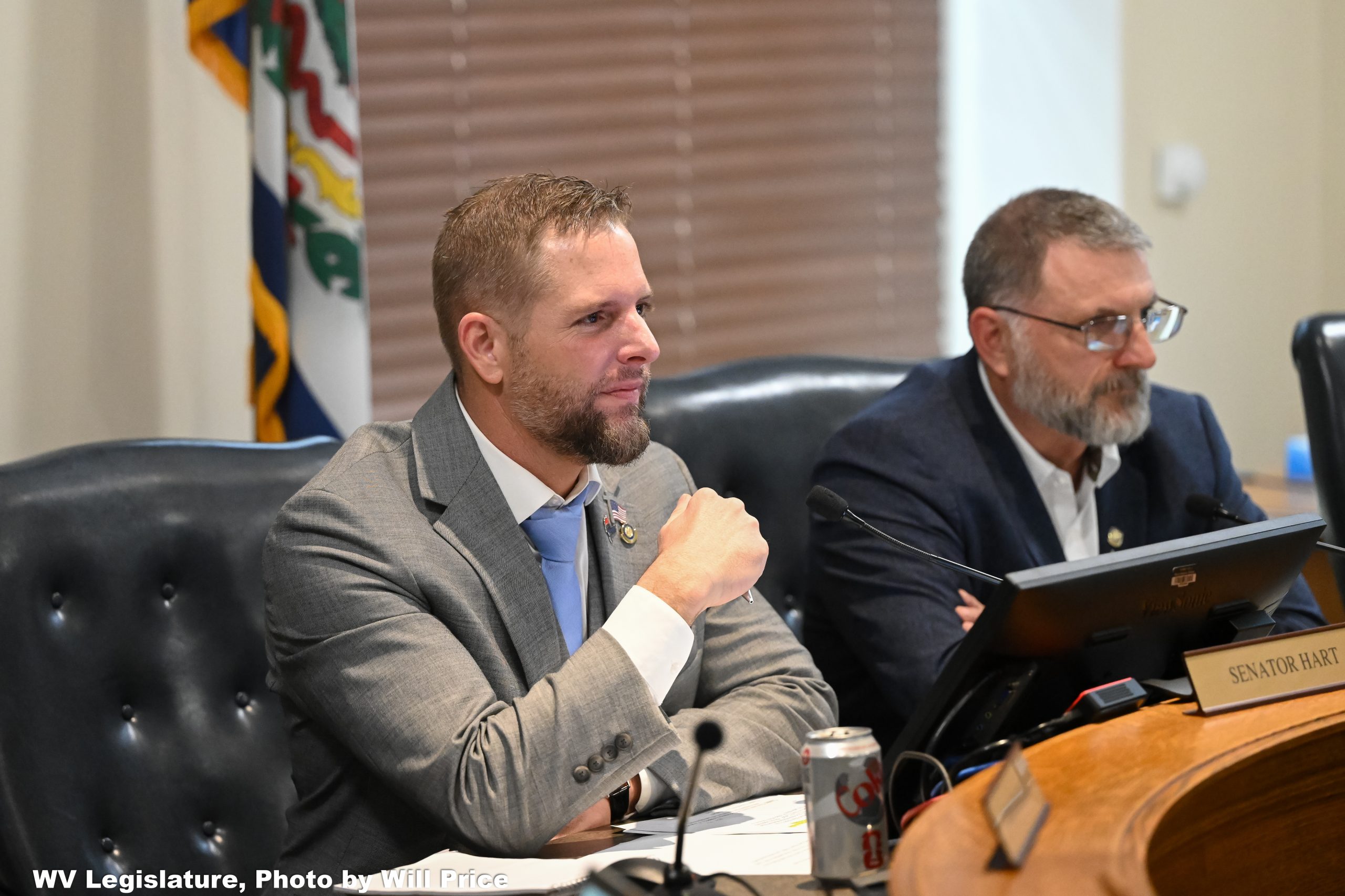
The Senate Agriculture Committee met on Wednesday afternoon and advanced three bills on the Equipment Right to Repair Act, authority to regulate bees, and meat products.
Senate Bill 97 would establish the Equipment Right to Repair Act.
This bill would provide farmers and independent repair providers in West Virginia access to manuals, tools, and software to repair agricultural equipment after the warranty expires. Trade secrets would also be protected, and civil penalties would be set starting at $1,000.
The Commissioner of Agriculture would oversee all aspects of the law within the bill by ensuring compliance, enforcing penalties, resolving disputes, issuing injunctions, and setting rules for the Equipment Right to Repair Act.
The bill was reported to the full Senate with a recommendation of passage, first being sent to the committee on Finance.
Senate Bill 927 would clarify the authority of the Commissioner of Agriculture over bees.
The commissioner would be able to register, inspect, and regulate apiaries, bee equipment, and measure against honeybee pests. The commissioner would also inform beekeepers and anyone who keeps or manages bees and apiaries in West Virginia on beekeeping, while cooperating with other states and federal agencies.
The bill would also limit when legal actions can be brought against agriculture operations, protecting farms from nuisance claims if they comply with state and federal regulations and follow commonly accepted agriculture practices.
The bill was reported to the full Senate with a recommendation of passage.
Senate Bill 932 would classify cultivated meat products as an adulterated food.
The bill defines cultivated meat products as food derived by harvesting animal cells and artificially or chemically replicating those cells in a growth medium in a laboratory to produce tissue with the texture, flavor, appearance, or other aesthetic qualities or the chemical characteristics of meat.
This bill ensures that lab-grown meat is not sold or labeled in the same way as conventional meat, providing consumers with transparency about what they are buying.
The bill was reported to the full Senate with a recommendation of passage, first being sent to the committee on Judiciary.
