

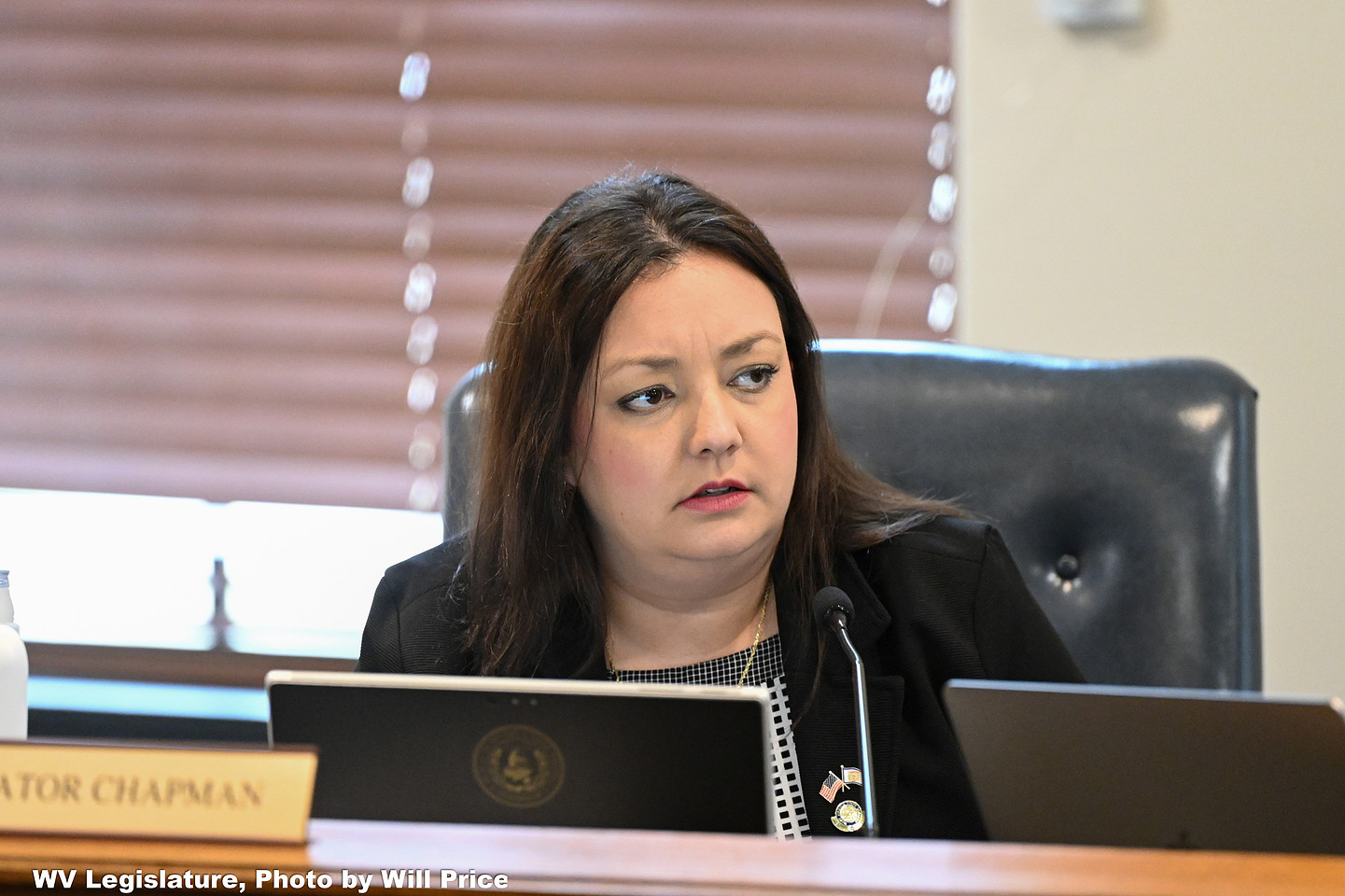
The Senate Judiciary Committee met Thursday afternoon and advanced four bills regarding the Adopting Uniform Protected Series Act, general powers of PSC, rule-making policies, and criminal penalties for the neglect or abuse of incapacitated adults.
Senate Bill 888 would stop West Virginia courts from deferring to state agencies’ interpretations of laws and regulations.
Judges and hearings officers would instead review rules independently and resolve any unclear language in favor of individual liberty and more limited bureaucratic power.
Senate Bill 669 would clarify utility rate oversight.
This bill would give the Public Service Commission clearer authority over utility rates, while limiting its reach for smaller municipal water, sewer, and natural gas utilities. The bill sets rules for resolving customer complaints within 120 days.
The bill was reported to the full Senate with a recommendation of passage.
Senate Bill 670 would establish the Uniform Protected Series Act.
Each series could hold its own assets, have its own members, and carry its own liabilities to shield one series from the debts of another. The bill also sets rules for management, reporting, and foreign series doing business in the state.
The bill was reported to the full Senate with a recommendation of passage.
Senate Bill 961 would cut redundant rules.
This bill would require West Virginia agencies to eliminate at least two existing regulations for every new rule they issue. This bill intends to reduce unnecessary bureaucracy and ensure rules are up to date with federal standards.
The bill was reported to the full Senate with a recommendation of passage, first being sent to the committee on Finance.
Senate Bill 54 would update West Virginia law to treat abuse or neglect of an incapacitated adult similarly to child abuse.
The bill defines an “Incapacitated adult” as any person 18 years or older who, by reasons of advanced age, physical, mental, or other infirmity, is unable to carry on the daily activities of life necessary to sustaining life and reasonable health.
Any person who neglects an incapacitated adult and risks bodily injury or death would be guilty of a felony and fined $1,000-$3,000 and/or imprisoned 1-5 years.
A caregiver of an incapacitated adult who abuses an incapacitated adult would be fined $1,000-$3,000 and/or imprisoned for 1-5 years.
The bill was reported to the full Senate with a recommendation of passage.
