

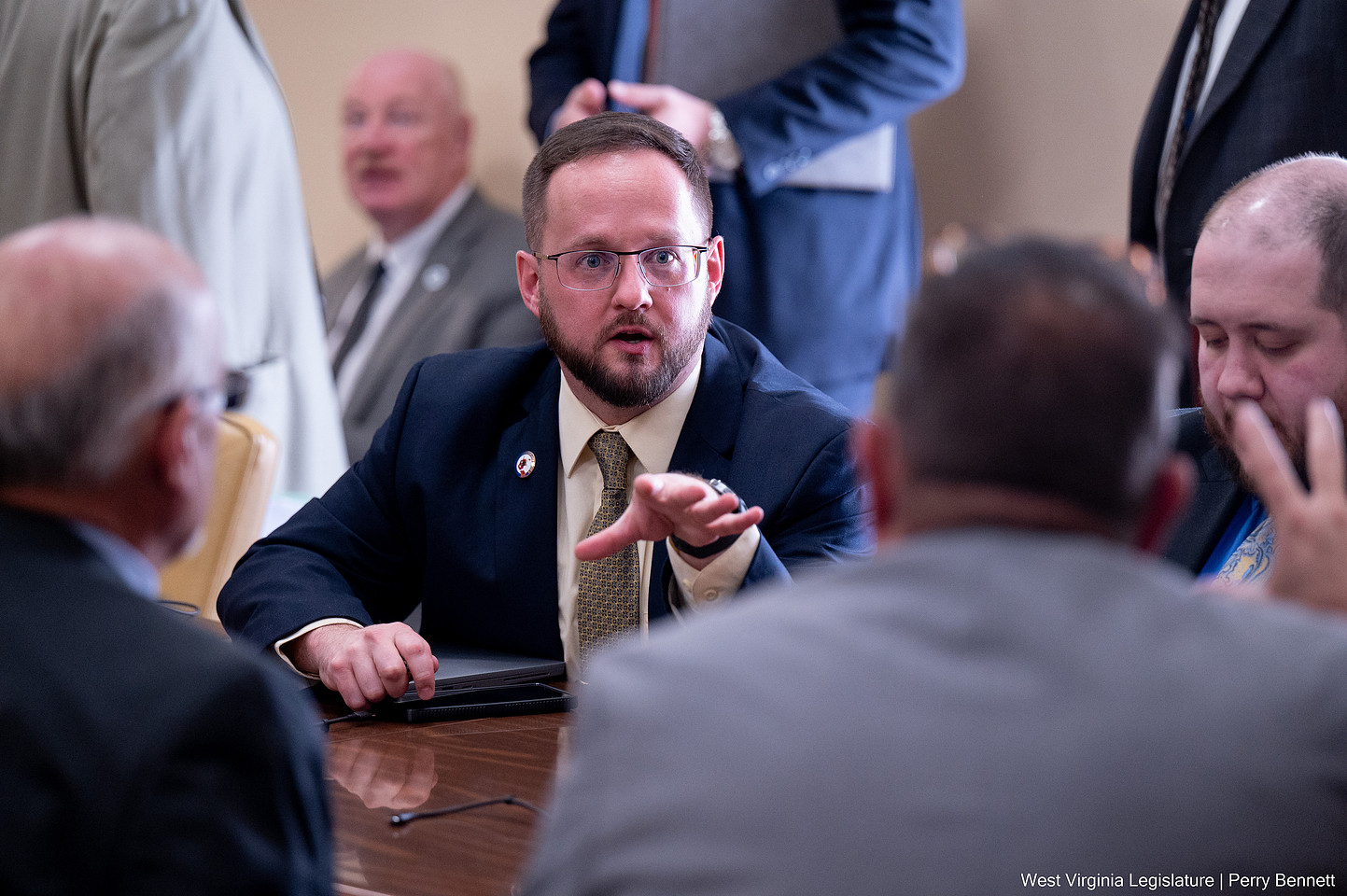
The House Education Committee met this afternoon.
House Bill 4395 would continue investigations into allegations by school personnel who have jeopardized a student’s health, safety, or welfare, even if the school personnel obtain another job or transfer to another school. The bill was advanced to markup and passage.
Committee Hearings
House Bill 4587 prohibits the use of public funds to support low-income outcome postsecondary degree programs. The degree the student is pursuing must predict that, four years after graduation, they would be better off than they would be without the degree. This program would mirror the federal program in terms of funding. The program analyzes four years out to determine how much a degree holder will earn. If the amount is $1 more than it would be with no degree, then certain programs will not qualify for state funding.
Opponents’ concerns include the program’s logistics, workforce losses in certain professions needed, and students leaving the state for education due to insufficient support for certain programs. Additionally, they feel this may affect enrollment and college completion rates if students cannot study what they want.
Proponents believe this is a responsible use of tax dollars. The sponsor stated this is just a mirror of the federal program. It will allow students to qualify for funding if they enroll in a program that is not “low-earning.” They stated the 529 fund isn’t affected since it’s an individual fund.
The Federal Program limits how much federal subsidized loans students receive, not grants. The bill was advanced to markup and discussion.
House Bill 5048 ensures that foster children awaiting residential placement shall continue to receive education through virtual learning. The bill was advanced to markup and discussion.
House Bill 5321 requires that students entering the foster care system be evaluated for an IEP or a 504 plan within 30 days.
House Bill 5354 is a rules bill that allows the Higher Education Policy Commission to create rules repealing the administrative exemption and the mental health loan program, as well as rules repealing those relating to purchasing efficiencies and the research trust fund program. The bill also allows the Council for Community and Technical College Education to create rules governing the STAND program and to repeal rules on purchasing efficiencies.
