

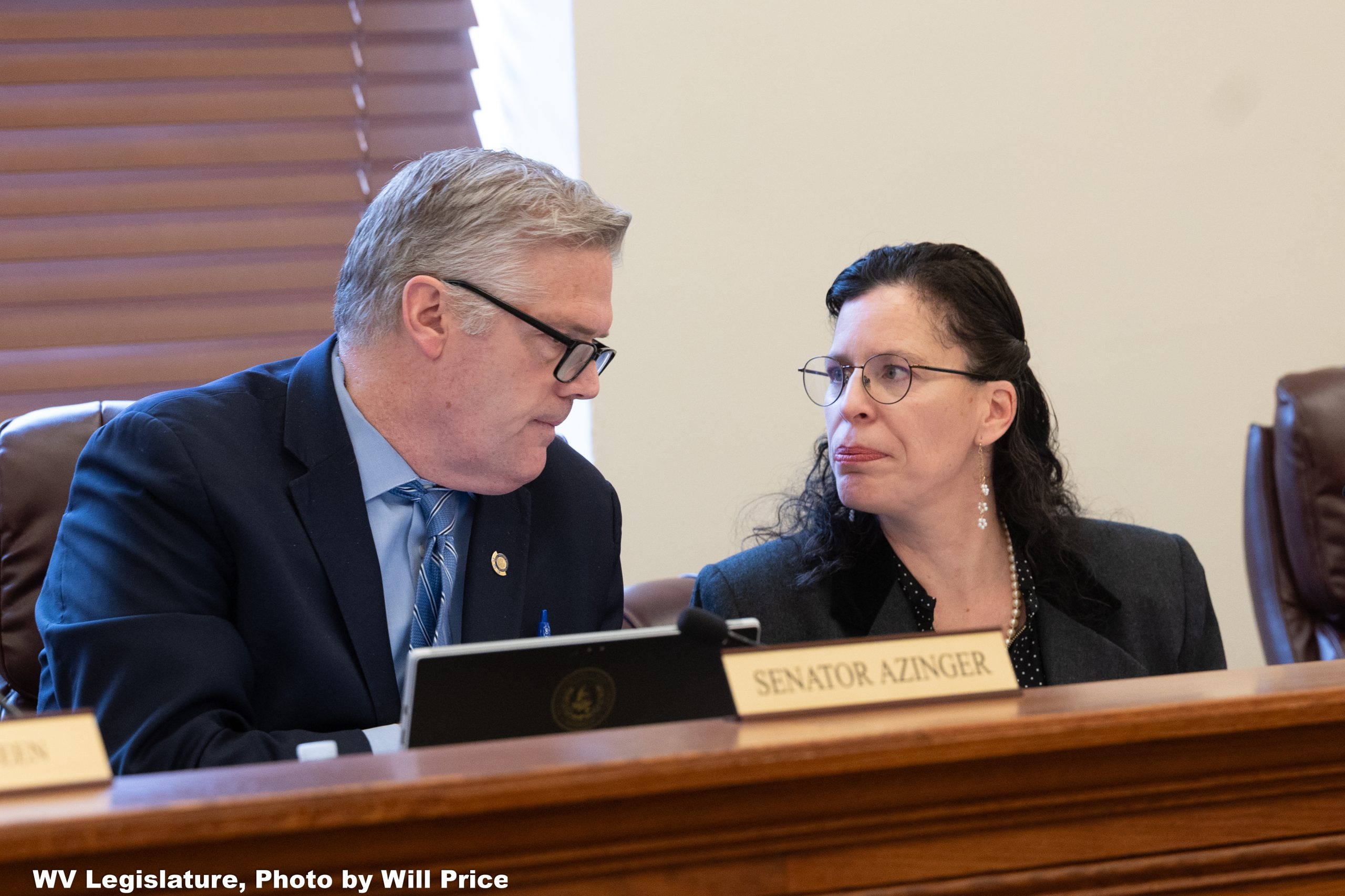
The Senate Health and Human Resources Committee met Thursday afternoon, advancing bills on chemotherapy, prohibiting certain foods in West Virginia, the Alternative Nicotine Product Regulatory Act of 2026, and juvenile substance abuse treatments.
Senate Bill 4852 would prohibit the use of certain food additives in West Virginia, effective in 2028.
The following substances are not permitted in food manufactured on or after January 1, 2028, include:
* Butylated hydroxyanisole.
* Propylparaben.
* FD&C Blue No. 1.
* FD&C Blue No. 2.
* FD&C Green No. 3.
* FD&C Red No. 3.
* FD&C Red No. 40.
* FD&C Yellow No. 5.
* FD&C Yellow No. 6.
The bill establishes a civil penalty of up to $500 per individual food item for knowingly manufacturing, selling, or offering for sale food that contains one or more of the listed additives.
Senator Patricia Rucker (R – Jefferson, 16) proposed an amendment clarifying that dietary supplements will not be considered food.
The amendment was adopted.
The bill, as amended, was reported to the full Senate with a recommendation of passage, first being sent to the committee on Judiciary.
Senate Bill 1000 would establish the Alternative Nicotine Product Regulatory Act of 2026.
The bill aims to regulate the manufacturing, labeling, marketing, and sale of alternative nicotine products to protect public health and prevent marketing to minors.
The bill defines “Alternative Nicotine Products” as any noncombustible product that contains nicotine, and that is intended for human consumption, whether chewed, absorbed, dissolved, ingested, or consumed by other means.
The bill seeks to ensure the safety and security of alternative nicotine products manufactured for sale in the state.
Senator Rucker proposed an amendment that would remove the directory from the code, due to all the regulations in place stating the directory is no longer necessary.
The amendment was rejected.
The bill was reported to the full Senate with a recommendation of passage.
House Bill 4089, known as “Jessica Huffman’s Law,” would require health insurers in West Virginia to cover scalp cooling for cancer chemotherapy patients.
Jessica Huffman testified in front of the committee and shared her personal experience and the emotional impact of losing her hair during treatment.
She explained that despite feeling strong and capable, losing her hair made her feel as though others pitied her and viewed her as less confident and credible. She emphasized the social significance of having hair for working mothers, professionals, and others battling cancer.
Huffman stated that the scalp cooling system is FDA-approved and that the treatment can cost between $2,000 and $3,000 for a full chemotherapy course.
The bill was reported to the full Senate with a recommendation of passage.
Senate Bill 114 would establish a paid parental leave pilot program for eligible state employees.
The bill proposes up to 12 weeks of paid leave for full-time state employees following the birth or adoption of a child between July 1, 2026, and July 1, 2028. Employees would receive 90% of their average weekly wage, capped at $1,000 per week.
The Department of Labor would oversee the program, report its findings to lawmakers, and the pilot would sunset on December 31, 2029.
The bill was reported to the full Senate with a recommendation of passage, first being sent to the committee on Finance.
Senate Bill 1012 would permit the development of additional juvenile substance use disorder treatment beds in Cabell County.
Under current law, new licensed substance abuse treatment beds generally cannot be added in counties that already have more than 250 beds. This bill creates an exception allowing a certificate of need to be issued in Cabell County for up to 60 additional inpatient treatment beds dedicated to individuals 17 years of age or younger.
“We have a lot of youth in West Virginia who need services like this. Unfortunately, that need wasn’t fully considered when bed limits were set. Hopefully, this marks the beginning of recognizing just how urgent the need has become,” stated Senator Scott Fuller (R – Wayne, 05).
The bill was reported to the full Senate with a recommendation of passage.
