

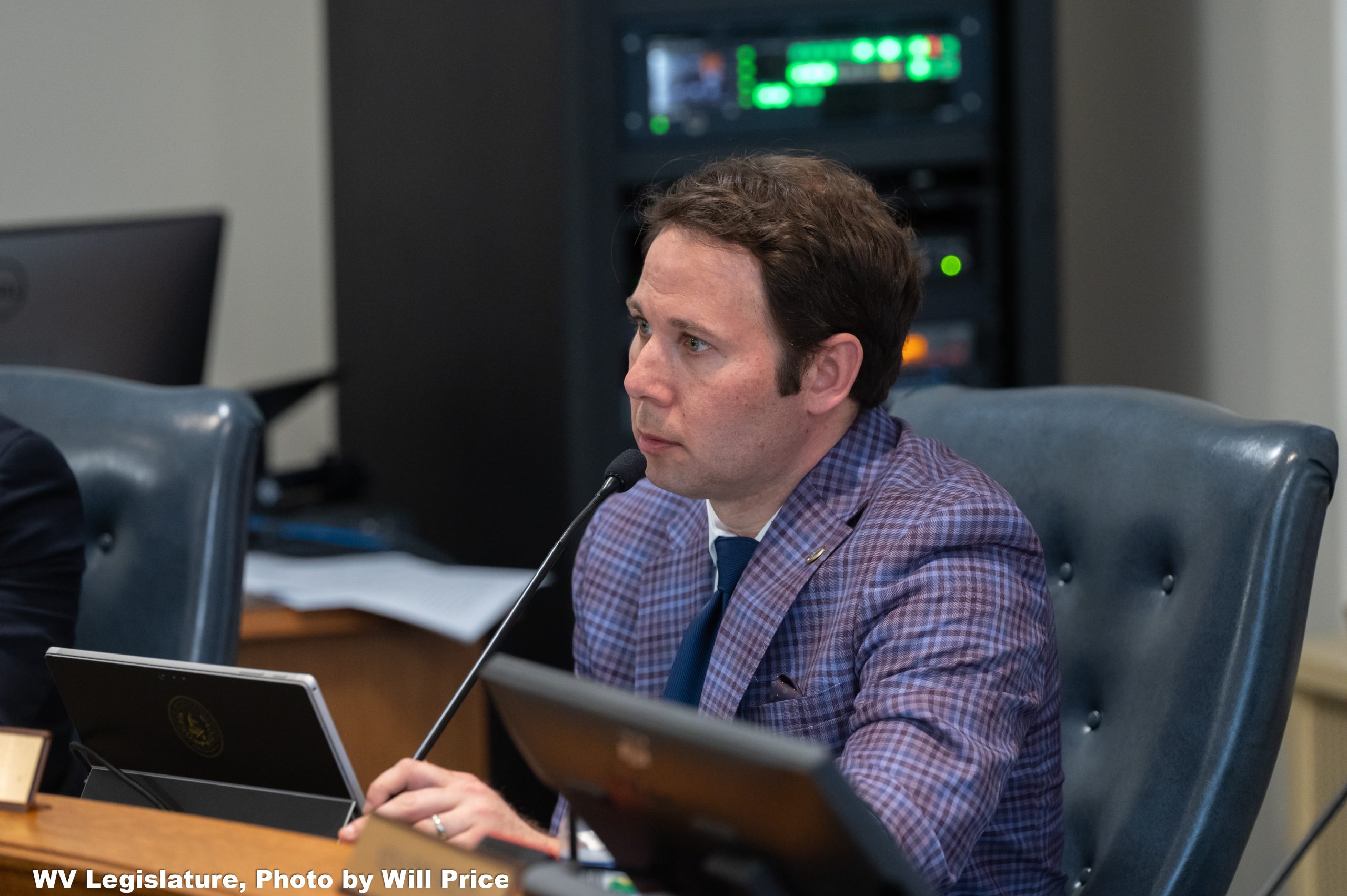
The Senate Judiciary committee met Thursday afternoon to move several bills to the full Senate.
Senate Bill 1037 would allow the death penalty only in cases where a defendant is convicted of both first-degree murder and first-degree sexual abuse of a child under 12 in the same proceeding.
The bill outlines capital trial procedures, requires prosecutors to file a formal notice seeking the death penalty, mandates that at least two aggravating factors be proven beyond a reasonable doubt, and provides for automatic appellate review if a death sentence is imposed.
“There are situations where somebody can be executed, and you got the wrong person,” stated Senator Joey Garcia (D – Marion, 13). He stated that this bill opens the door for the death penalty to potentially become an option for various crimes. “I am proud that we are one of the states that for a long time have not had the death penalty,” he stated.
Others supporting the bill emphasized the significance of the death penalty for severe crimes.
“We have to ensure that the death penalty is only for the worst of the worst,” stated Senator Scott Fuller (R – Wayne, 05). He made the case that certain individuals cannot be rehabilitated and that the death penalty is the appropriate response.
The bill was reported to the full Senate with a recommendation of passage, first being sent to the committee on Finance.
Senate Bill 1008 would change the statute of limitations for asbestos and silica claims, clarifying when a lawsuit can be filed.
The bill specifies that claims begin when a person is diagnosed, discovers facts prompting a diagnosis, or dies from a related condition, distinguishes noncancerous and cancer-related claims as separate actions, and sets limits on suing manufacturers of mining equipment based on federal specifications.
The bill was reported to the full Senate with a recommendation of passage.
Senate Bill 1026 would make intentionally disrupting a religious service, whether in person or online, a felony, while disruptions of other lawful meetings remain misdemeanors.
The bill defines disruption to include any act that interferes with the service or any gesture, display, or statement that outrages the congregation’s sensibilities, and it specifically covers disruptions at tax-exempt places of worship as well as virtual services conducted via video or teleconference.
Senator Ryan Weld (R – Brooke, 01) proposed an amendment Striking the last sentence starting with any officer and ending with good behavior.
“people meeting for the worship of God”
The bill was reported to the full Senate with a recommendation of passage.
Senate Bill 499 would require that any driver involved in a crash that results in death must undergo a toxicology test, ensuring authorities can determine whether drugs or alcohol played a role.
This bill, also called Erin’s Law, sets penalties for drivers who knowingly leave the scene of a crash causing injury or death, ranging from misdemeanors to felonies, and includes license revocation for at least one year upon conviction.
The bill was reported to the full Senate with a recommendation of passage, first being sent to the committee on Finance.
