

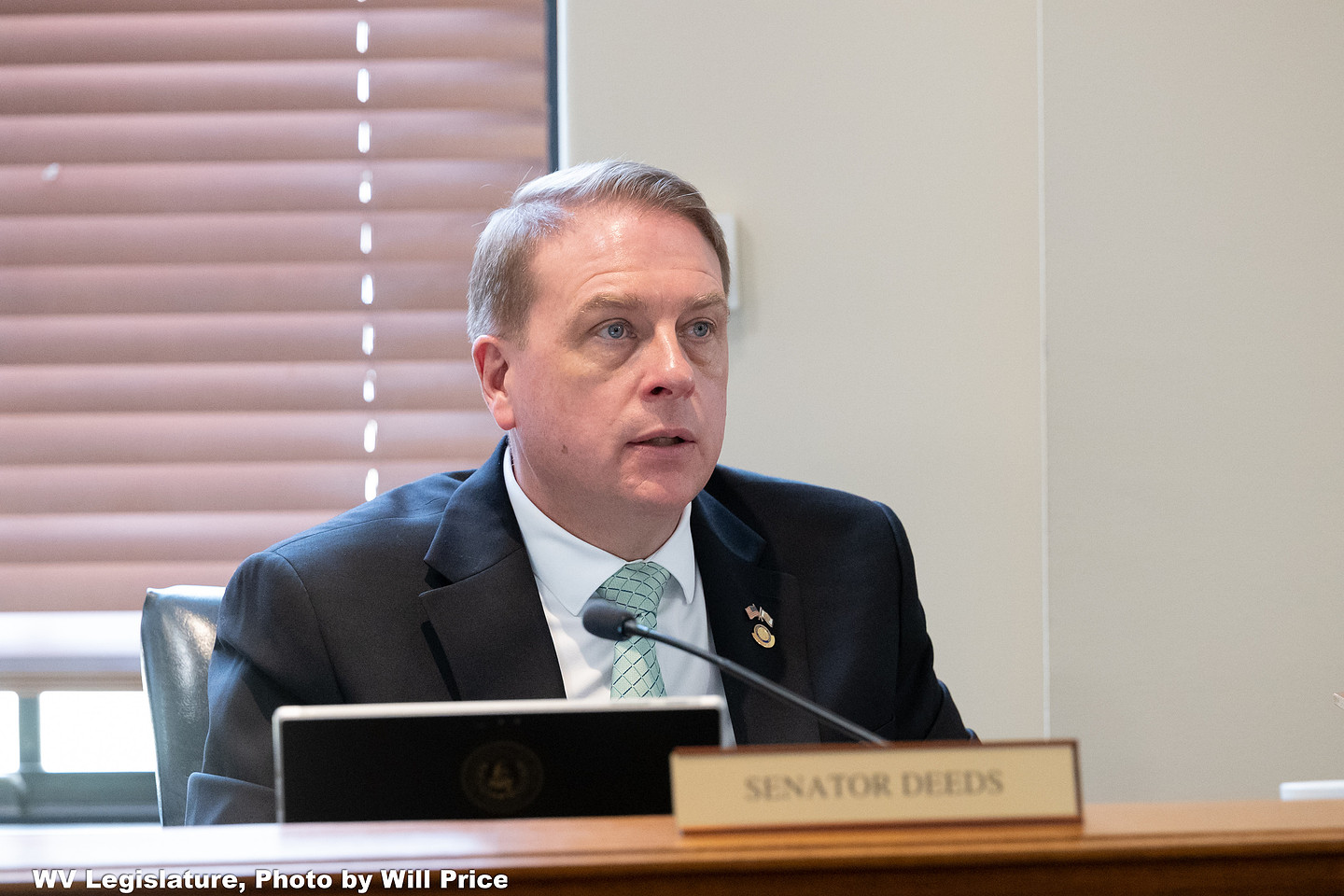
The Senate Judiciary Committee met Wednesday afternoon and evening, advancing three child protection-related bills, continuing the body’s theme this week of addressing West Virginia’s child welfare issues.
Senate Bill 937 establishes a community-based child welfare system program in West Virginia, beginning with a phased implementation in Berkeley and Jefferson Counties and Bureau for Social Services Region IV, with further expansion requiring legislative approval.
While the Bureau for Social Services would retain exclusive authority for initial intake of abuse and neglect reports, investigations, and emergency safety decisions, responsibility for ongoing case management, service coordination, and court-related functions would be transferred to contracted community-based providers after the initial investigation is complete.
Under the legislation, these providers would be required to meet specific qualifications, and the system would use a case-rate payment model with shared-risk provisions, allowing providers to retain savings from improved outcomes while assuming some cost responsibility.
The bill emphasizes performance-based contracts rather than prescriptive staffing, sets caseload expectations, and requires training aligned with department standards. The Bureau for Social Services would maintain oversight of contract compliance, performance, fiscal accountability, and data reporting, and contracted providers would have protection from civil damages for good-faith actions unless there is gross negligence or willful misconduct.
An evaluation report on child safety, fiscal performance, and provider capacity would be submitted to the Legislature within 18 months of implementation.
Senate Bill 459 would amend the Best Interests of Child Protection Act of 2022, aiming to ensure that courts consider the importance of a child maintaining meaningful contact with their step-siblings when making decisions about what is in the child’s best interests.
The “best interests of the child” is a legal standard used in family law cases, such as custody disputes, to guide judicial decisions.
This bill would add step-siblings to the existing list of relationships that are considered important for a child’s well-being and stability, alongside parents and half-siblings.
House Bill 4749 expands the rights of foster children and children in kinship placements, which are arrangements where a child is placed with relatives.
Specifically, for children aged 13 and older, the legislation adds three new rights: the right to be notified in a timely manner about any court hearing that could legally affect them, the right to attend such hearings, and the right to have the results of these hearings explained to them by their guardian ad litem (a court-appointed representative for the child) or legal counsel.
The bill also clarifies that if a child’s in-person attendance at a hearing is not practical or in their best interest, alternative attendance methods like virtual participation may be used, with a preference for the child’s wishes if feasible and beneficial.
All three bills were sent to the full Senate with the recommendation of passage.
