

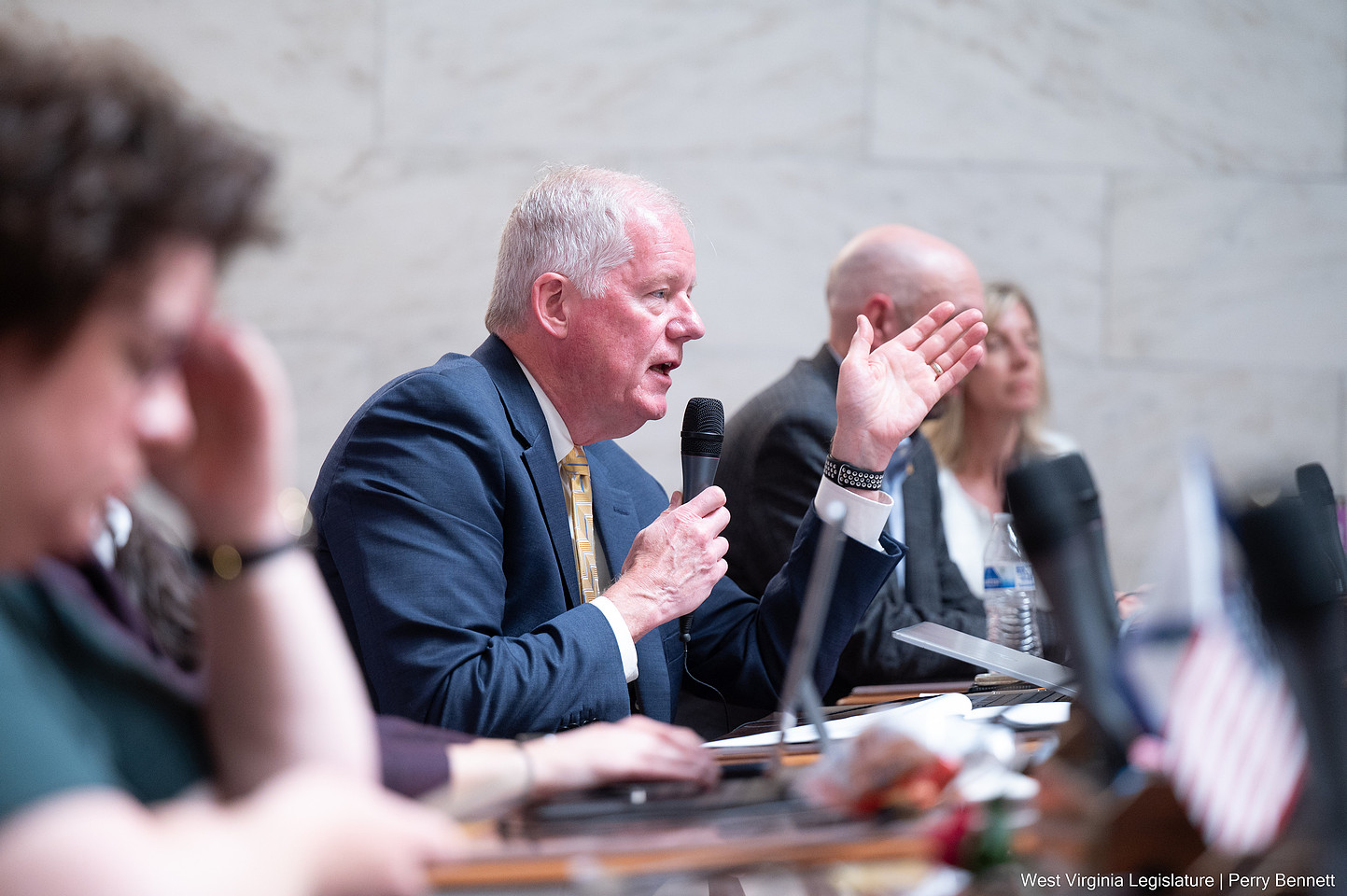
At this morning’s House Finance Committee meeting, an update on FY 2026 revenue was provided. Tax refunds are just under $280 million. April General Revenue collections are $671 million, $70.1 million above the estimate and $27.3 million above last April. The Personal Income Tax (PIT) revenue is $27.7 million over the estimate, but this is expected to be offset by PIT cuts. This month’s sales tax decrease is due to a refund of over $15 million. For the year to date, both PIT and severance are up and have grown since last April. Corporate Net Income Tax is lower than estimated. Interest Income is over the estimate, as interest rates have been more chaotic than expected. The State Road Fund is $5.8 million above the estimate and has grown by $24 million since last April. However, its year-to-date is under the estimate of $63 million.
In addition to the revenue review, tax credits were discussed in the morning meeting. A tax credit is a reduction in the amount of taxes owed due to meeting specific criteria. West Virginia’s major tax credit programs provide $266.7 million in tax credits. Forty-four tax credits were listed, including the Motor Vehicle Property Tax Adjustment, Child Dependent Care Credit, Tourism Development Sales Tax Retention, Non-family Adoption, WV Build Tax Credit, and Agriculture Equipment- Environmental.
Next, the committee heard an update on the Center for Laboratory Sciences. The target construction contract start date is January 2027, and the building’s completion date is now January 2030.
The committee heard an update on SNAP. Due to changes at the federal level, states will be required to match the cost of the SNAP program beginning in FY2028 if their payment error rate (PER) is over 6%. Currently, West Virginia’s PER is 6.36%; the national PER is 10.18%. West Virginia’s PER has been consistently trending downward. If a state’s PER is over 6% but below 7.99%, the SNAP State matching fund requirement (penalty) is 5%. The Bureau for Family Assistance has already been tracking and working to reduce PER. SNAP Management Evaluations take place, and the USDA Family and Nutrition Services sets the target areas. For Federal FY2026, the focus is on Certification Processes, Tracking and Policy Compliance, and Earned Income (which was a state option). The Bureau is contracting with a vendor to create reports to identify where high-error-risk cases may occur and to address trends. The Bureau has made policy changes, which should be reflected in the April/May data. However, this data will not be available until this fall.
Finally, the Finance Committee received an update on the Rural Health Transformation Program. The impact of RHTP is to connect residents with timely care, build coordinated, high-quality care, strengthen community health and economic activity, and invest in healthcare innovation. RTHP has spent $2.9 million of the $199.5 allocated to the program. Procurement funds in progress are $160.3 million, and procurement funds posted are $62.3 million.
