

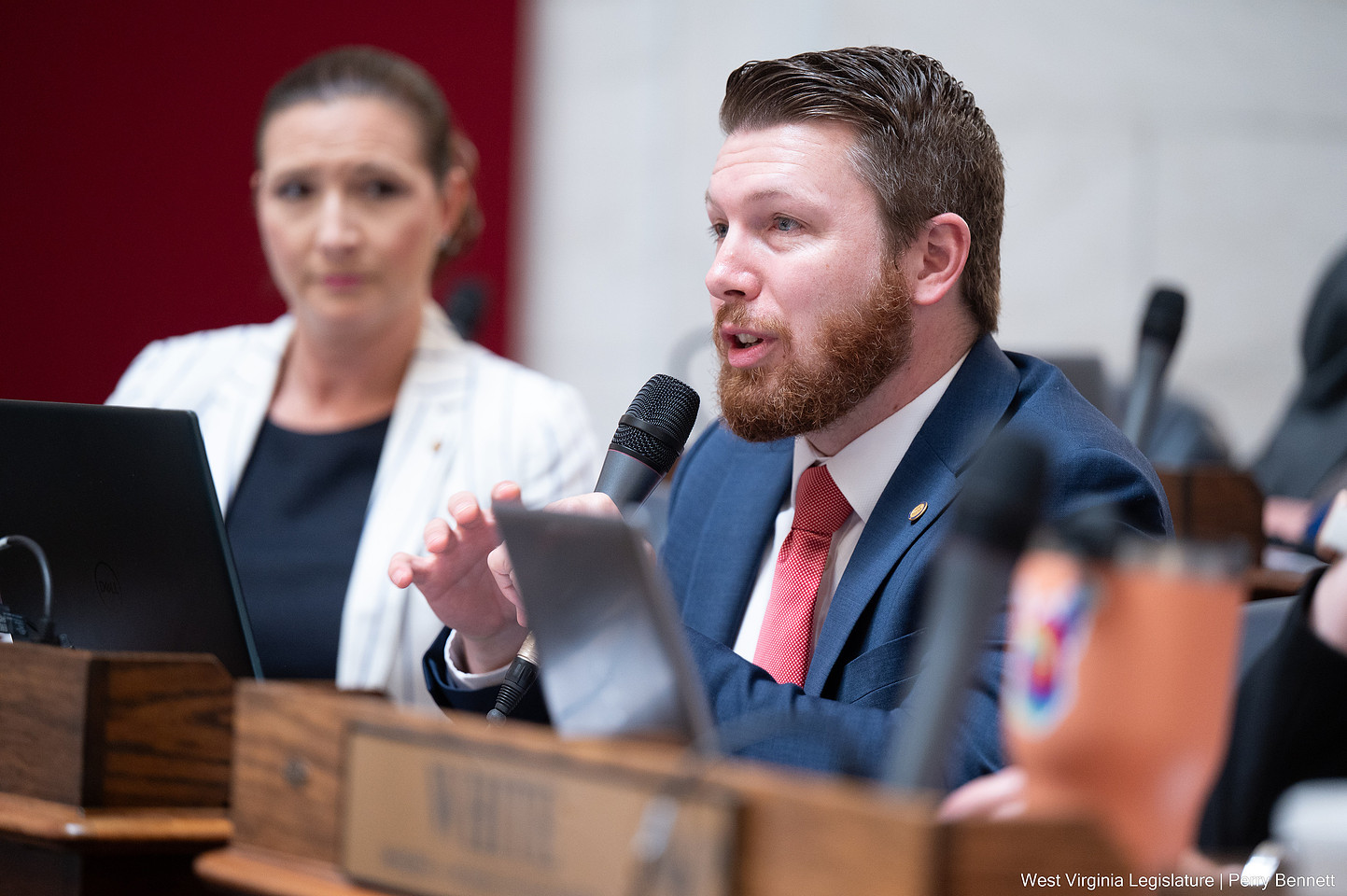
The House of Delegates opened its post-session meetings with a general session on Legislative Oversight. Everyone knows it is the Legislature’s duty to pass bills, which become law. However, it is also the responsibility of the Legislature to ensure those laws are being properly executed. To do this, the legislature can monitor state agencies, investigate problems, and perform evaluations. Without oversight, the Legislature would not be participating in the checks-and-balances process of government.
There are various types of legislative oversight, including fiscal, programmatic, legal, regulatory, organizational, and personal. Programmatic and regulatory oversight are two types frequently discussed. Programmatic oversight is conducted by the Performance Evaluation and Research Division of the Legislature. Regulatory oversight takes place through Legislative Rulemaking.
Government oversight can be exercised by reviewing reports and the WV Checkbook, holding hearings, sending letters requesting information, and using whistleblowers or the media. Oversight hearings have changed in the House of Delegates over the past couple of years. Now hearings are being held during committee meetings, which are intended to move towards finding solutions within the current framework to agency problems. When oversight hearings take place, the scope of the hearing should be clearly defined, expert witnesses should be selected, relevant questions should be asked, and follow-up should be conducted. Any information provided during hearings should provide new information to the public.
The best practice for government oversight is to focus on specifics and facts. Individuals should be professional and persistent. It is essential to set deadlines for follow-up on information.
