

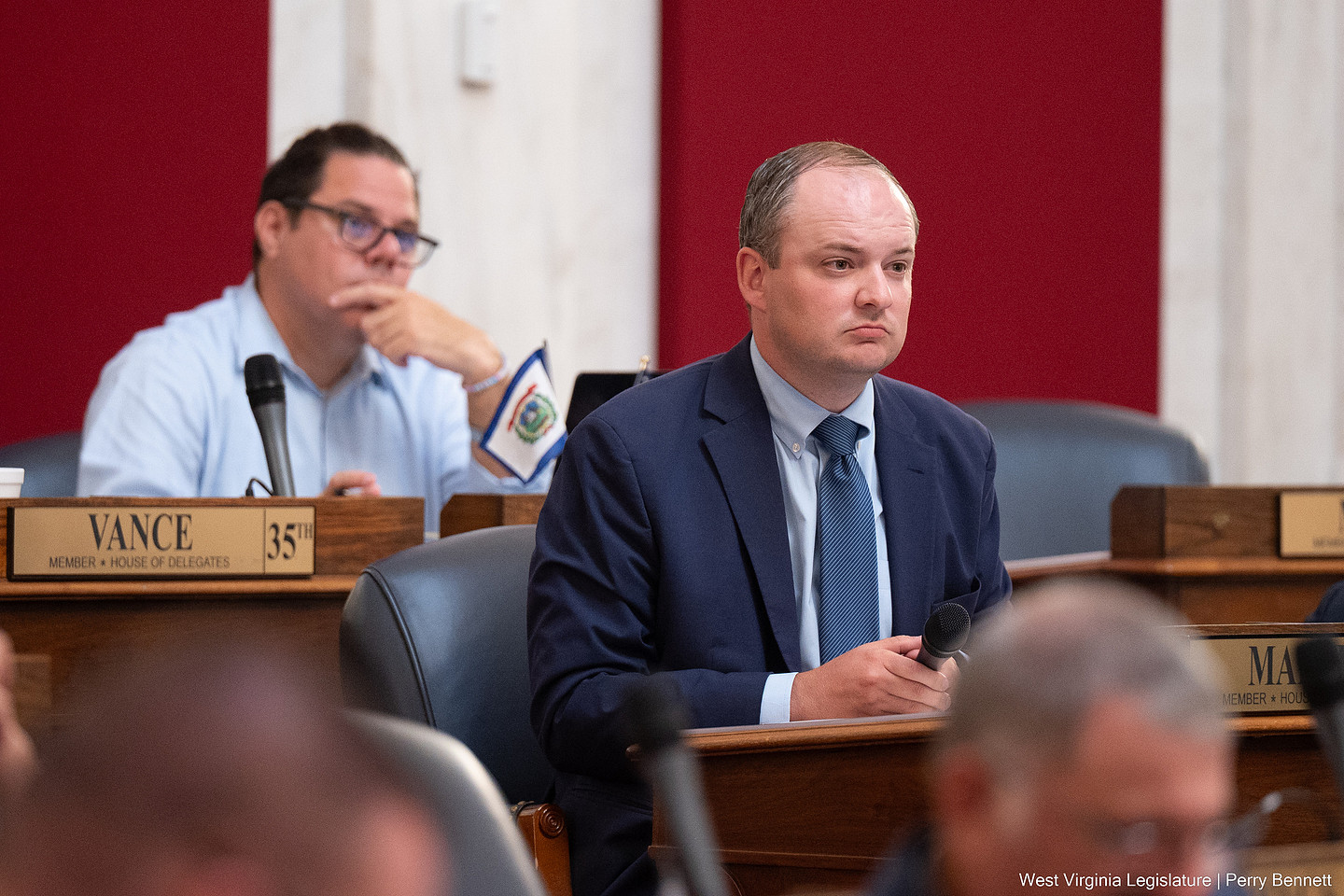
The Joint Finance Committee met this morning.
First, the committee heard an update from the Department of Transportation on the BDO Performance Audit. The department is restructuring its executive team and creating new chief positions. Federal Highway Administration Funding for bridges requires 10 percent or less of NHS bridges to be a poor rating. If more bridges are in a poor rating, then federal funds are required to be moved to assist with bridge maintenance. WVDOH is making progress to get below the 10 percent threshold.
The department is doing an analysis on engineering pay. Permitting is being reviewed due to cost and effectiveness. It was stated that right-of-way permit certification is costly and time-consuming. The department is hoping to improve the delivery process.
The department is also striving to modernize the Division of Motor Vehicles. To do this, they are replacing the mainframe with a cloud connection, which should be completed by January 2028. Additionally, they will work to enhance the new system.
When asked about DOH’s involvement in flood recovery, the secretary stated that the mentality of flood assistance has changed. At one time, the DOH would just clear roadways and get out of the recovery process. Now, the DOH helps restore the road to the original quality or better during flood cleanup.
Next, the committee heard an update on the Rural Health Transformation Program. RHTP is operating in compliance with federal requirements. Controls have been established for accountability. The strategy for RHTP is to address health-related barriers to workforce participation, establish WV as a center for rural health technology, innovation, and partnership, and strengthen health care access.
Financially, $167 million has been solicited and posted. CMS is focused on obligations this year. West Virginia’s RHTP has $3.8 million obligated and has spent $4.6 million – only for administrative support so far. Next year, CMS will be concerned with expenditure. WV RHTP anticipates providing 150 awards; 75 have been awarded already; 73 are in West Virginia, and the other two have partnerships in West Virginia. CMS allowable costs include clinical care and prevention, innovation and collaboration, technology and infrastructure, and workforce and training.
Finally, the Department of Revenue provided a quick review of the FY2026 Budget.
