

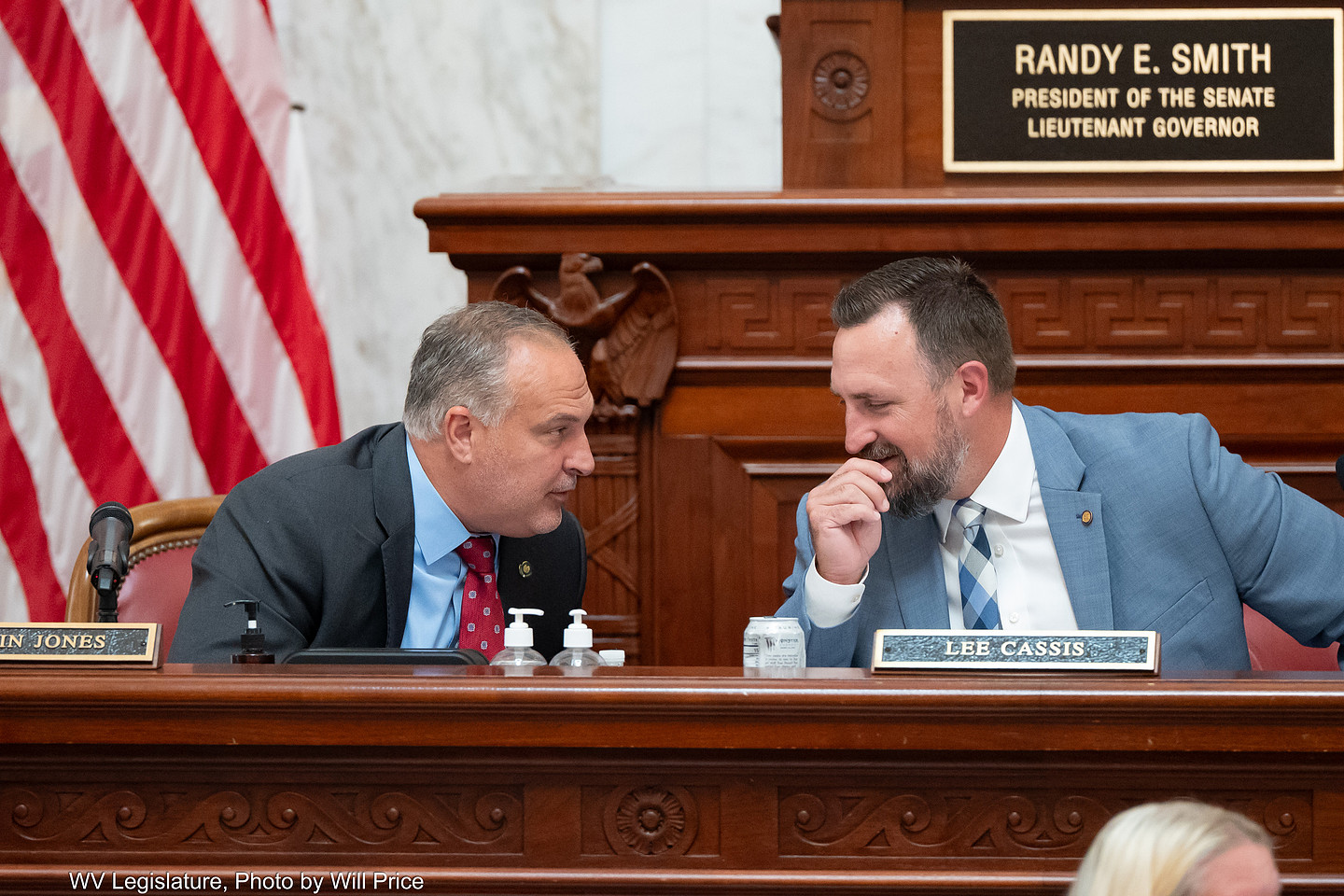
The Joint Committee on Health met this evening. The Committee first heard from the Reason Foundation, a nonprofit think tank interested in the benefits of psilocybin. Psilocybin is a naturally occurring compound found in some mushrooms that can enhance mood, thinking, and perception. It has a low potential for abuse and diversion with a high safety profile. Psilocybin can help the brain form new connections, quieting rigid patterns of fear, depression, and trauma. It creates an opportunity for the brain to “reset.”
During the presentation, it was noted that about 125,000 veterans lived in West Virginia in 2023 and nearly 1 in 5 WV suicide deaths were veterans. In 2023, WV had the 4th highest veteran suicide rate in the US. PTSD rarely occurs alone. Co-conditions include depression, anxiety, substance use, TBI, chronic pain, and heart issues. In psilocybin independent trials, more than 60 percent saw remission from PTSD in four weeks. Bipartisan support for psychedelic policy reform is growing. Treatment participation is currently focused on veterans, first responders, and trauma survivors. The medical and scientific communities recognize its benefits. The support is driven by decades of research showing effectiveness, the FDA recognizing it as a breakthrough therapy, and its low-risk profile.
The presenter noted that expanding access does not have to mean broad legalization. The focus is establishing research and advisory bodies, limited discrimination for personal use, and regulated access programs.
Next, the committee heard an update on House Bill 4982. The status of the Office of Healthy Lifestyles is planning and setting a timeline for key deliverables. The Office of Healthy Lifestyles is housed within the Department of Health’s Bureau for Public Health’s Office of Community Health and Health Promotion’s Division of Health Promotion and Chronic Disease.
The Office is supporting run clubs, nutrition community grants, farm-to-school, food is medicine, and food desert mapping. The office is leveraging federal funding and collaborating with PEIA. The office is working with the Bureau for Medical Services, the Department of Agriculture, and the Department of Education.
The Office of Healthy Lifestyles operating budget consists of $621,343 from general revenue, $445,558 from contractual and sub-recipient grants, and $115,000 from a federal block grant.
The office will be presenting a report including an overview and interagency coordination to LOCHHRA. The current challenges the office is facing are resource alignment, access to and collection of specific required data, and the most effective model to administer county grants.
The priorities of the office are to operationalize the collation and advisory committee, meet all requirements outlined in HB 4982, finalizing agreements with partners, executing subrecipient grant agreements, and submitting annual report.
Finally, the committee received a presentation on counseling licensure requirements. West Virginia requires 3,000 hours of supervision. If an applicant has a doctoral degree, they are required to have 1,500 hours of supervision. Supervision must be completed over 19 months to 3 years. West Virginia’s requirements are comparable to those of Ohio, Kentucky, Pennsylvania, Virginia, and Maryland.
