

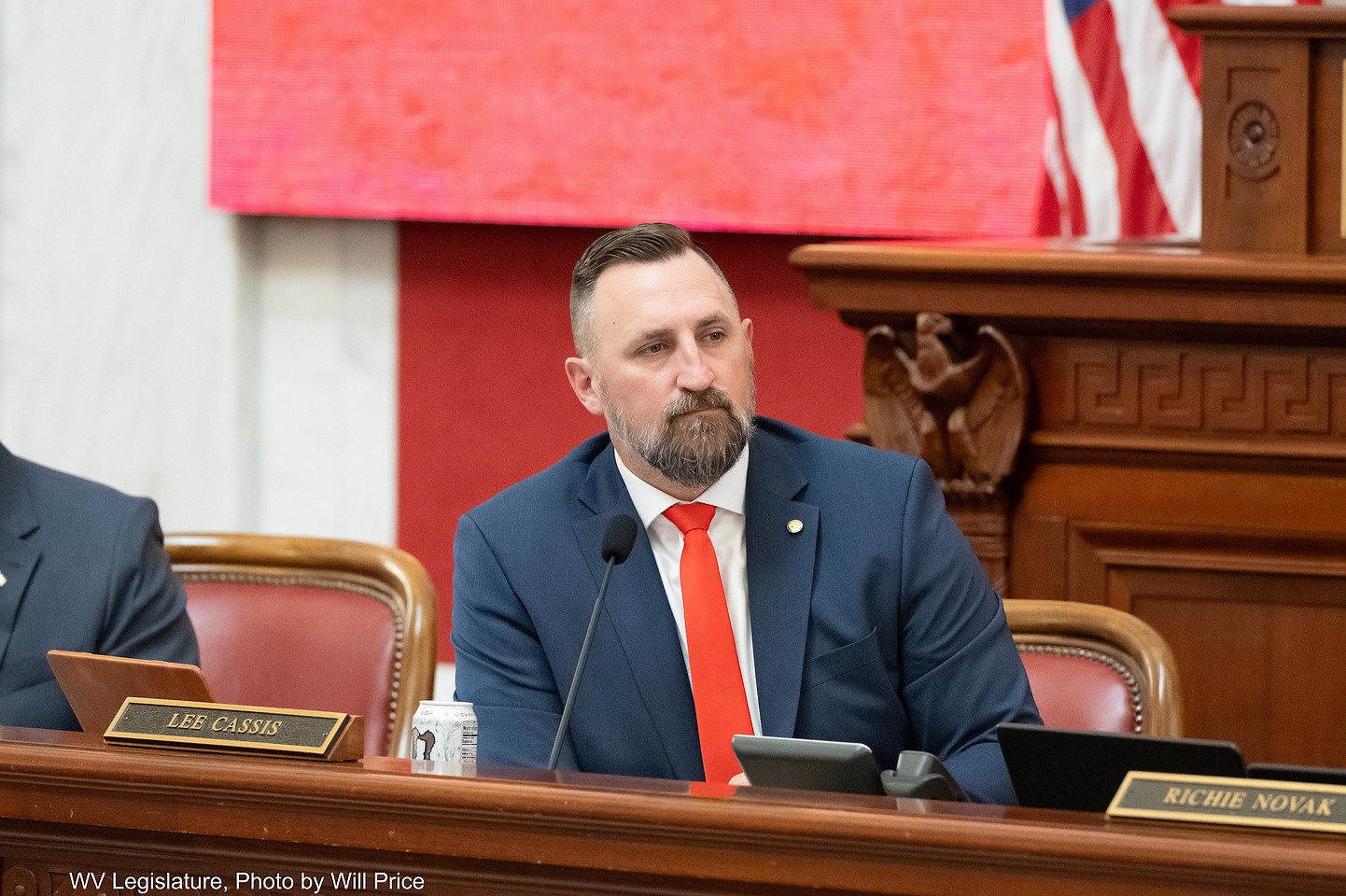
The Joint Committee on Health met this morning to hear updates on implementing House Bill 4191 and House Bill 4335.
House Bill 4191 directs the department on how to pay childcare providers, track attendance and billing, determine the actual cost of care, and provide “cliff mitigation.”
The state’s childcare subsidy program served 6,869 families with 11,768 children in August 2026. To qualify for a subsidy, parents must work, attend school, or train for a job. Families pay a daily fee on a sliding scale, with the lowest-income families paying nothing.
Monthly program enrollment determines subsidy payments. Attendance will be logged electronically daily with the child’s name, date, time of attendance, and parents’ signature. The first quarterly review covered July to September 2026. The cost-of-care report is due December 1. It will model cost per child by provider, age group, and region. The cost of care will be compared to current rates to determine if changes are needed. The vendor will submit the report draft to the Department of Human Services by mid-November.
The current daily payment rates are tier 1($32), tier 2 ($25), and tier 3 ($38). For out-of-school time, the rate is $14.50 per day. However, this isn’t the actual cost of care. A concern about the subsidy is that a modest raise could move a family out of the program, but the cost of childcare without assistance would make it difficult for them.
House Bill 4335 relates to Medicaid provider credentialing and enrollment. The Bureau of Medical Services is working with Gainwell Technologies to meet HB 4335 requirements. Gainwell’s responsibilities include supporting requirements that Medicaid provider enrollment applications, renewals, documents, and supporting materials be submitted electronically; enrollment determinations be made within 5 business days; providers be notified of incomplete applications within 2 days; multiple users be allowed; and data be maintained for performance audits.
Since implementation on July 1, improvements have occurred, including shorter portal submission times, increased applications, increased case completion, and provider growth. Some delays include revalidation issues, limited multi-user access per organization, documentation requirements, confusion about backdated reimbursement, NCQA accreditation, and missing or incorrect criteria. MCO coordination with BMS includes weekly reporting, concurrent enrollment, and BMS oversight.
